I am a postdoctoral researcher at the Australian National University and a research staff member of COMBS. My research focuses on using dense seismic arrays, including nodal seismic networks and distributed acoustic sensing (DAS), to image subsurface velocity structures and monitor their temporal variations. I am particularly interested in applying these approaches to study fault zones, sedimentary basins, and other complex subsurface structures. My work also extends to environmental seismology, where dense seismic observations can provide new insights into near-surface processes and environmental changes.

Current Project
 Velocity Changes
Monitoring Subsurface Velocity Changes After Rainfall Using DAS
Monitoring Subsurface Velocity Changes After Rainfall Using DAS
I use ambient-noise interferometry on distributed acoustic sensing data to monitor daily seismic velocity changes after rainfall near Haast on New Zealand's West Coast, close to the Alpine Fault.
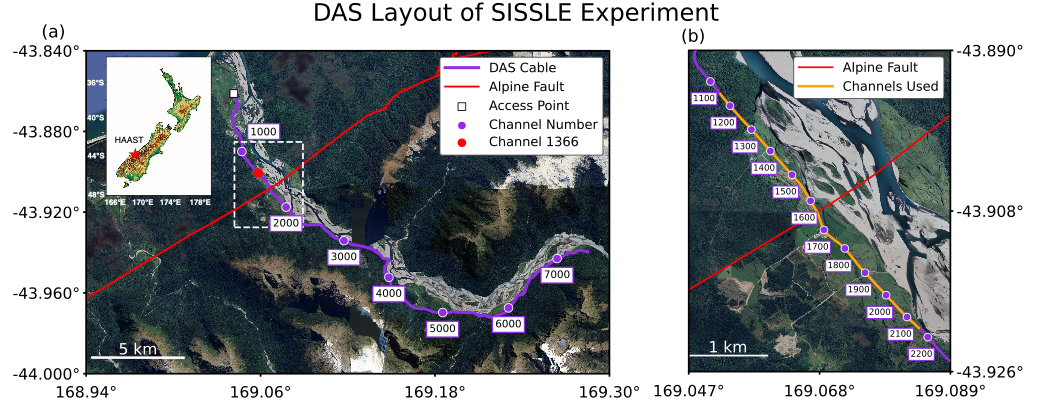
The experiment turns about 30 km of dark telecommunication fiber along State Highway 6 into more than 7000 ground-motion sensors, enabling dense monitoring of near-fault and environmental changes.
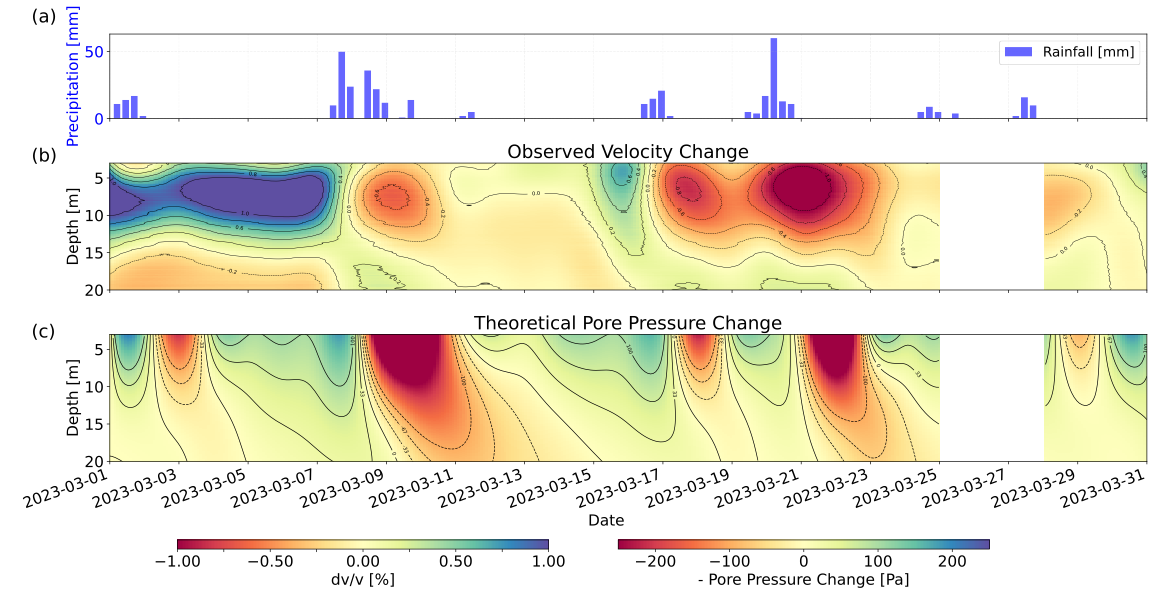
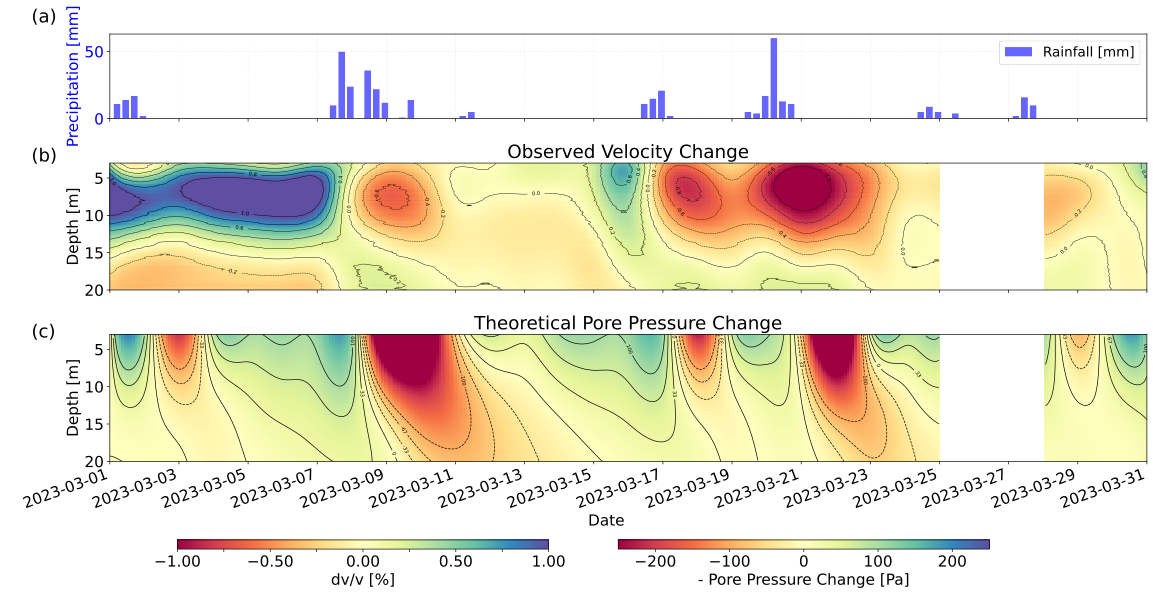
- DAS ambient-noise interferometry captures daily velocity changes during the March 2023 rainfall sequence, with -dt/t up to about 1.5%.
- Inverted depth-dependent velocity changes show pronounced near-surface velocity reductions during rainfall, while deeper layers respond more weakly and with delay.
- The observed pattern is broadly consistent with rainfall-induced pore-pressure diffusion, and noise-source variability cannot explain the measured signal.
 Fault Imaging
Imaging the Chenghai Fault Damage Zone with DAS
Imaging the Chenghai Fault Damage Zone with DAS
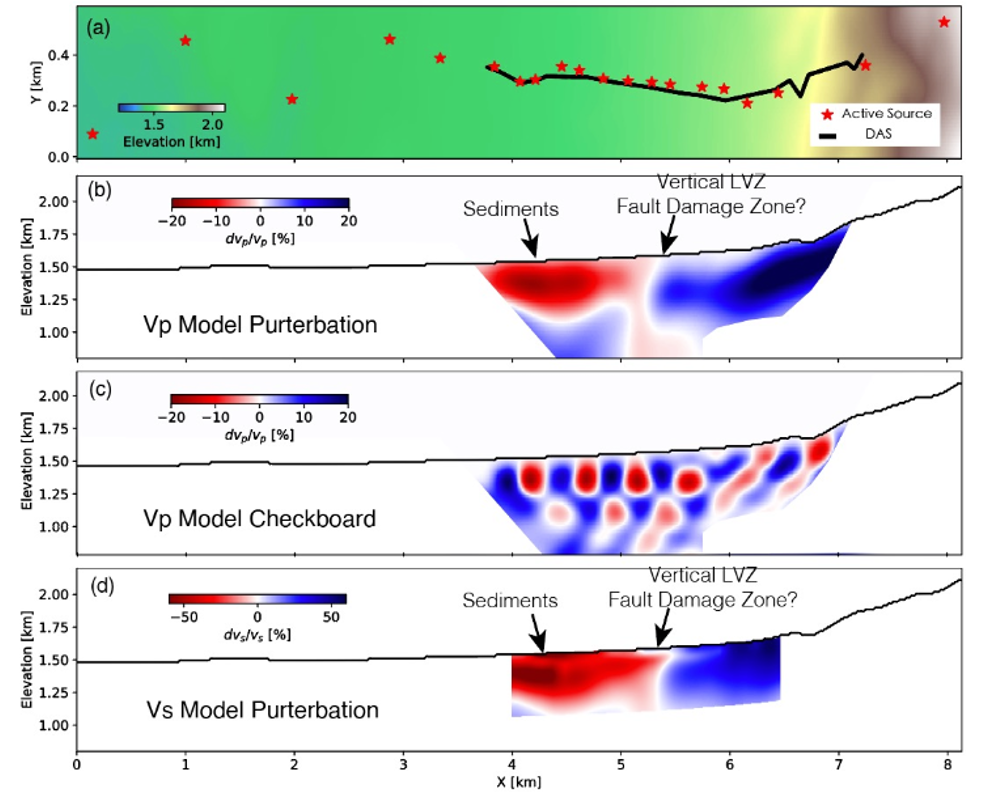
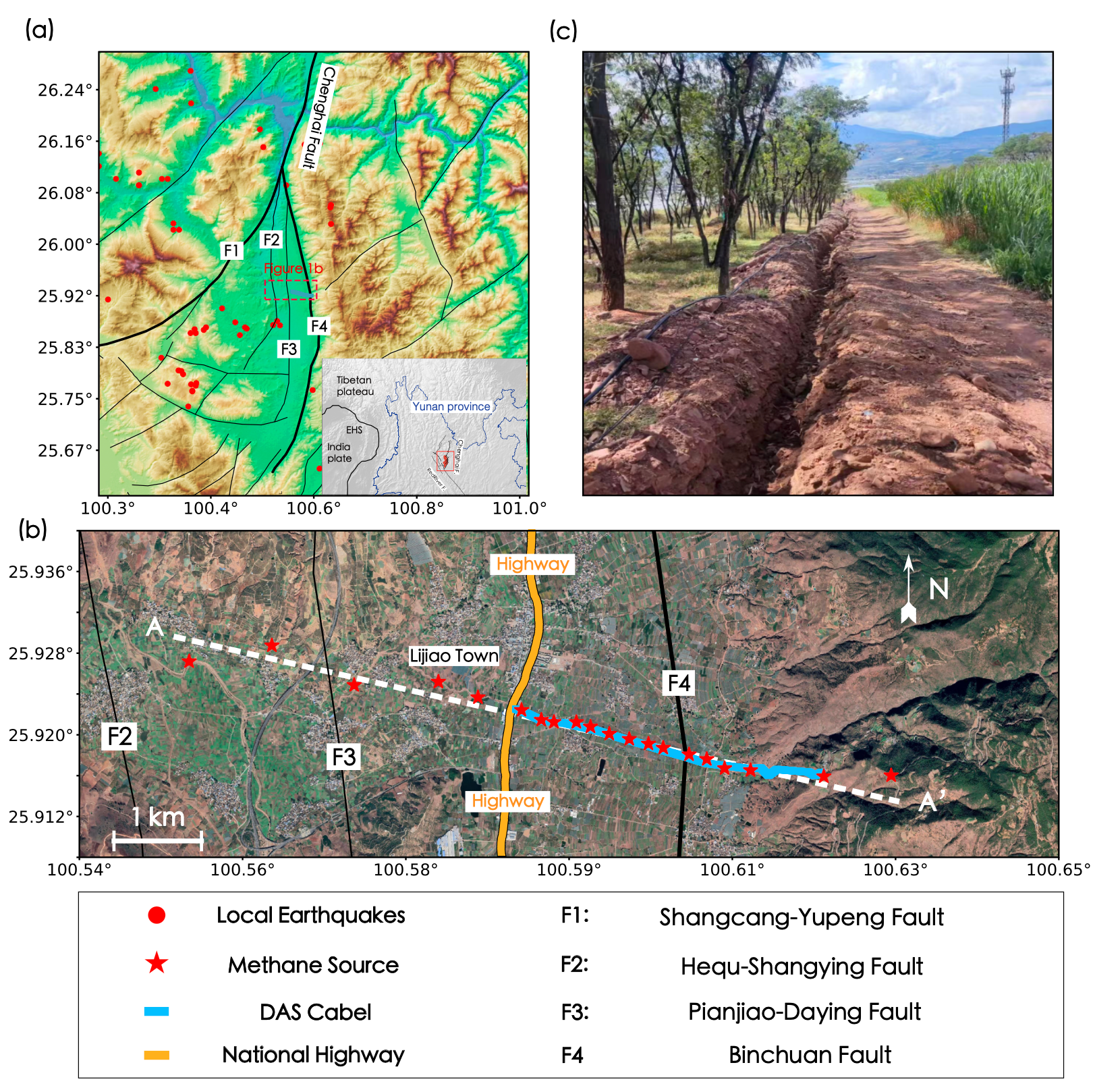
This project uses a cross-fault distributed acoustic sensing array in the Binchuan segment of the Chenghai Fault to image fine-scale fault-zone structure beneath sedimentary layers.
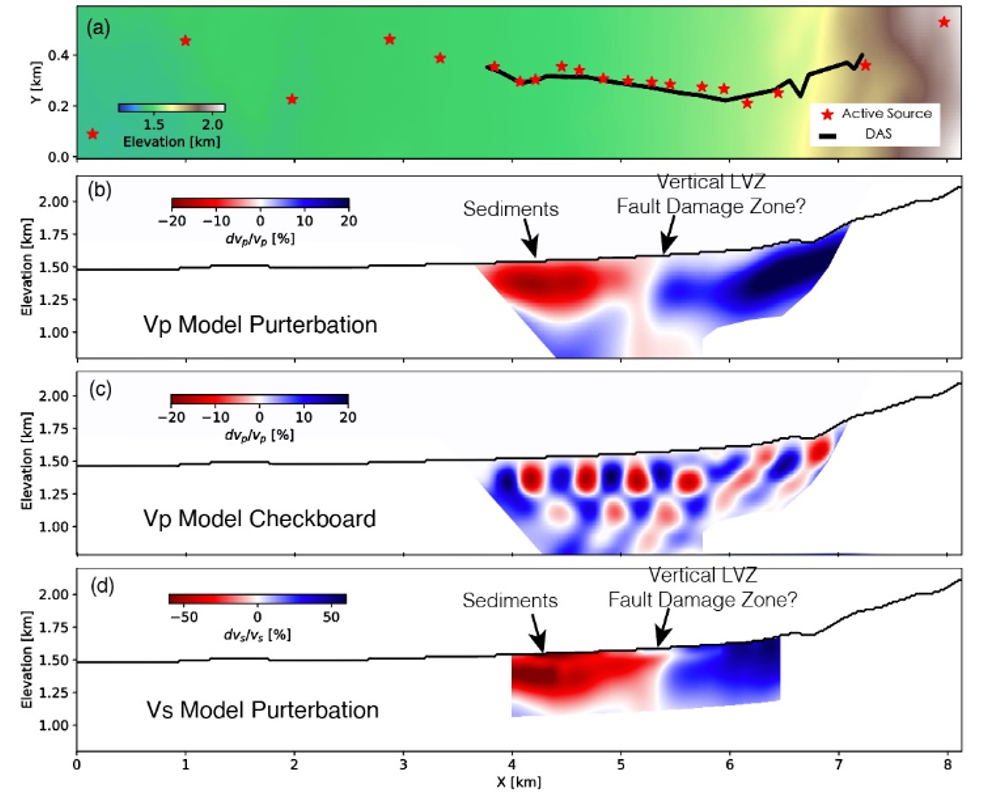
The experiment combines methane active-source records with ambient-noise surface waves. Adjoint-state traveltime tomography constrains the P-wave velocity structure, while ambient-noise dispersion inversion provides the S-wave velocity model.
- A 3.4 km buried DAS cable was deployed nearly perpendicular to the Chenghai Fault, with dense channel spacing of about 4 m.
- Active-source and passive-source results both reveal a near-vertical low-velocity anomaly at the basin-mountain boundary.
- The anomaly is about 200 m wide and is interpreted as the fault damage zone beneath the sedimentary basin margin.
Selected Publications
Software
PyFDM
A CUDA-accelerated finite-difference pakage for elastic wavefields, adjoint fields, and multi-stage FWI for seismometer and DAS data.
GitLab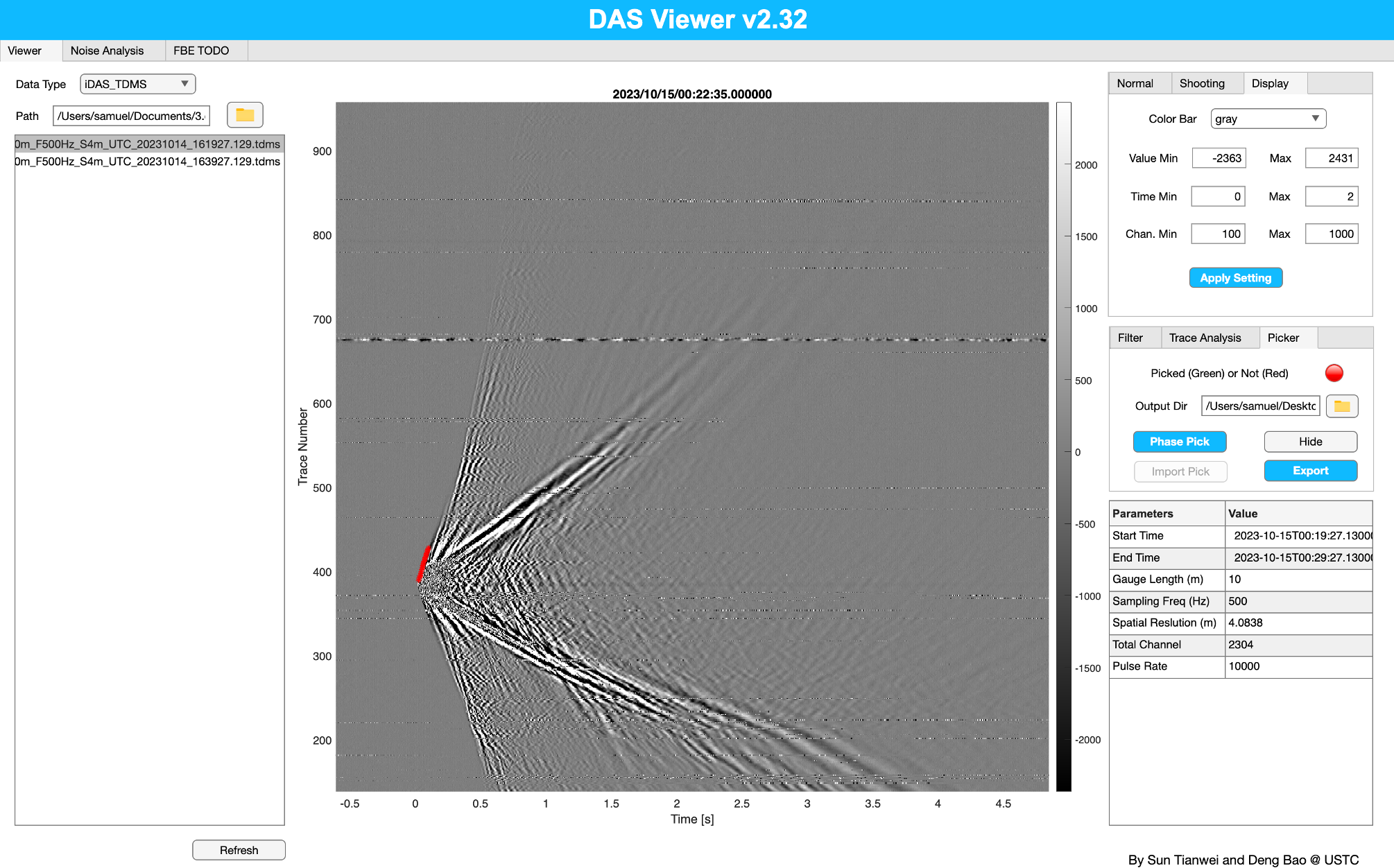
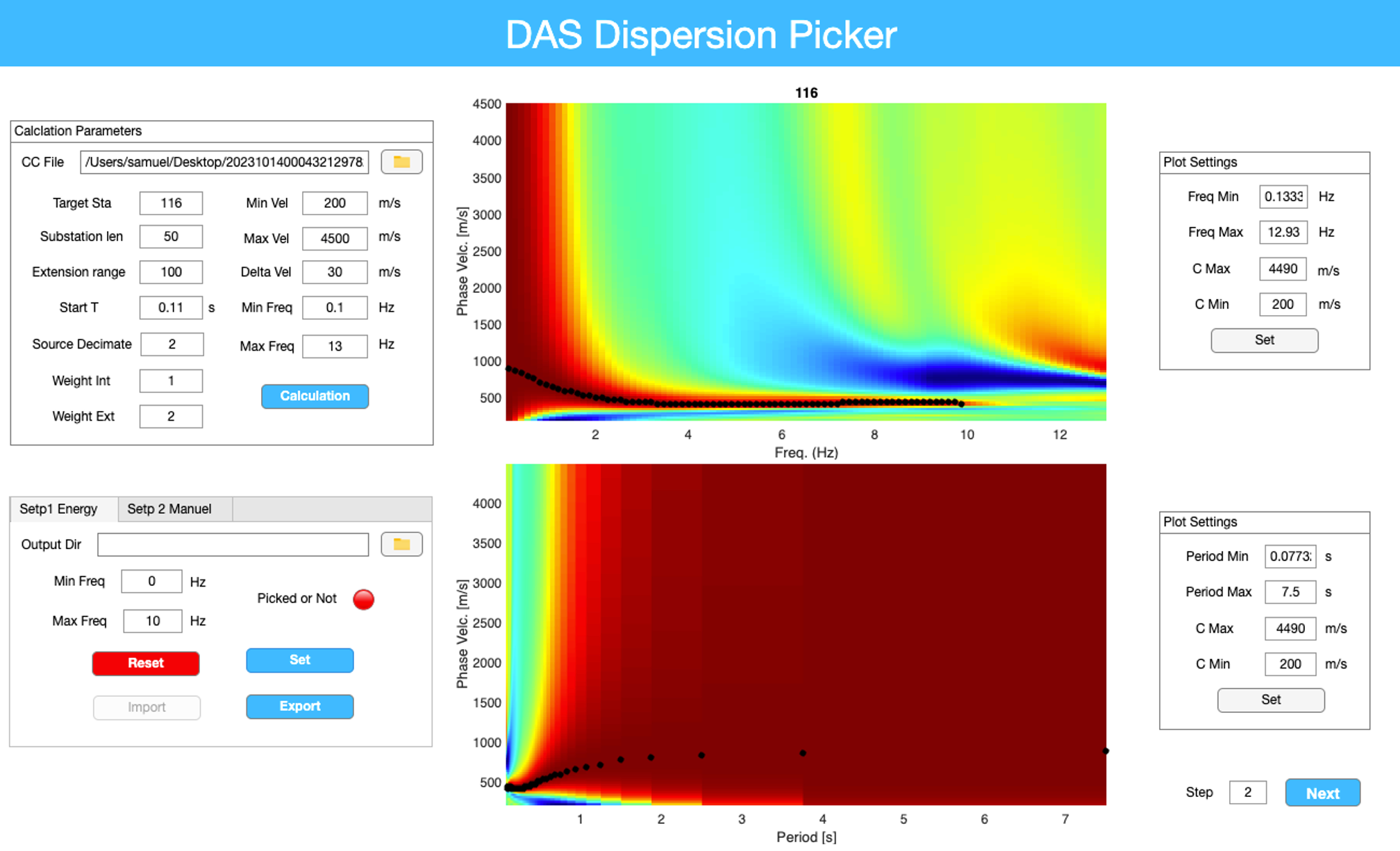
DAS DispPicker
GUI for dispersion curve calculation and picking based on the extended-range phase shift method.
PyRF
A Python package to calculate theoretical seismic waveforms, receiver functions, and apparent incident angles based on reflectivity-method.
GitLabCuNoise
A CUDA-accelerated Python package to calculate DAS noise cross-correlation function.
Fieldwork & Deployment
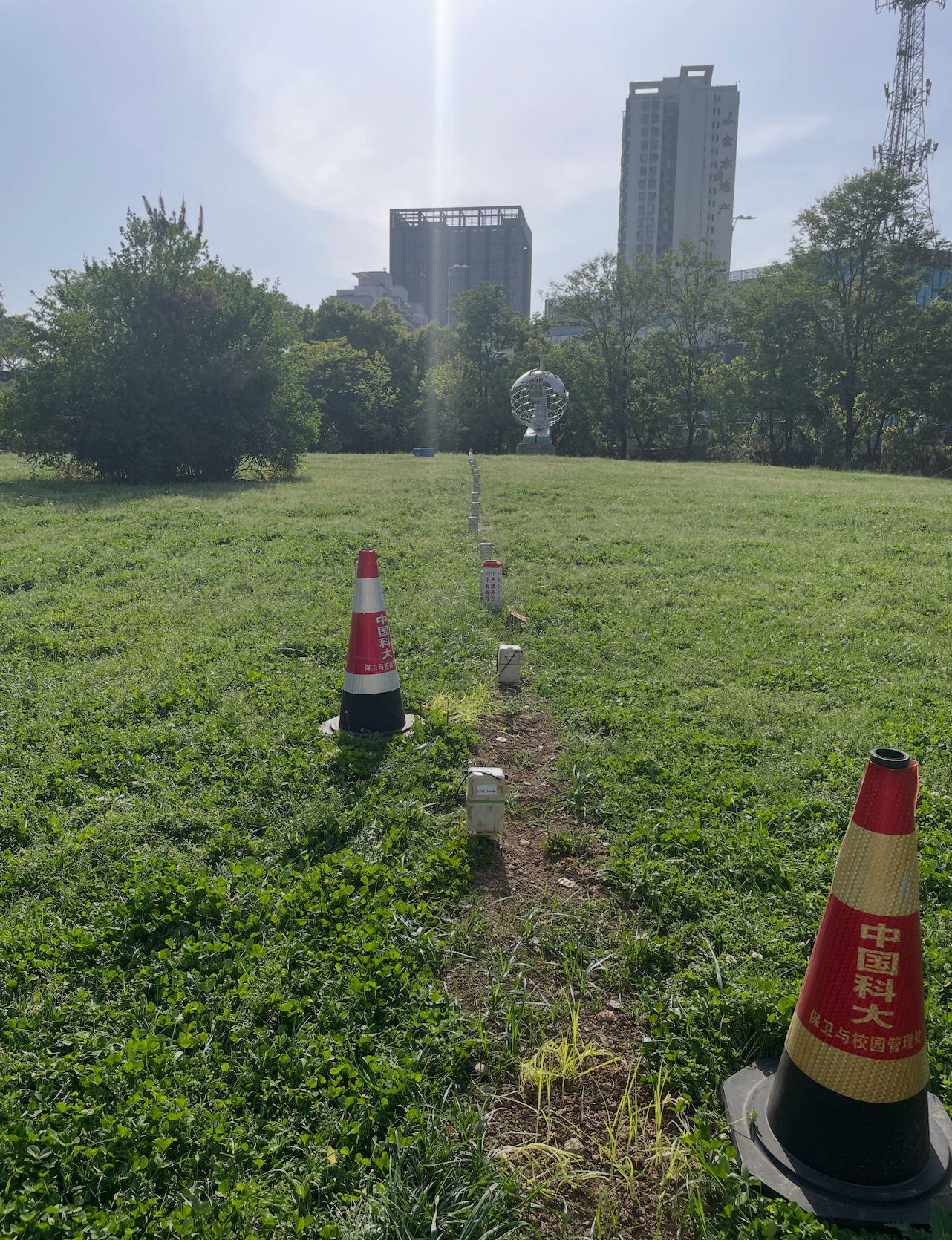
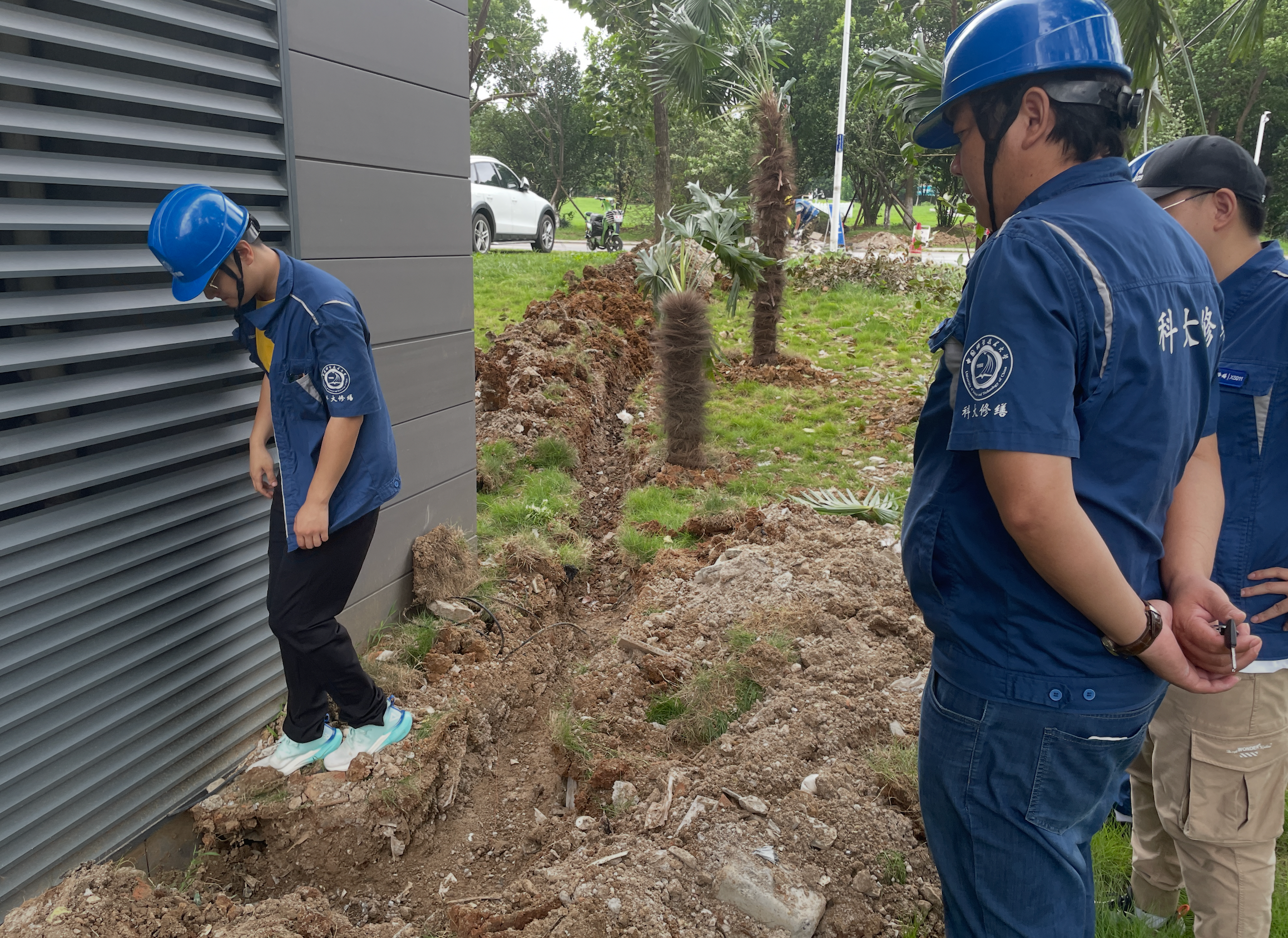
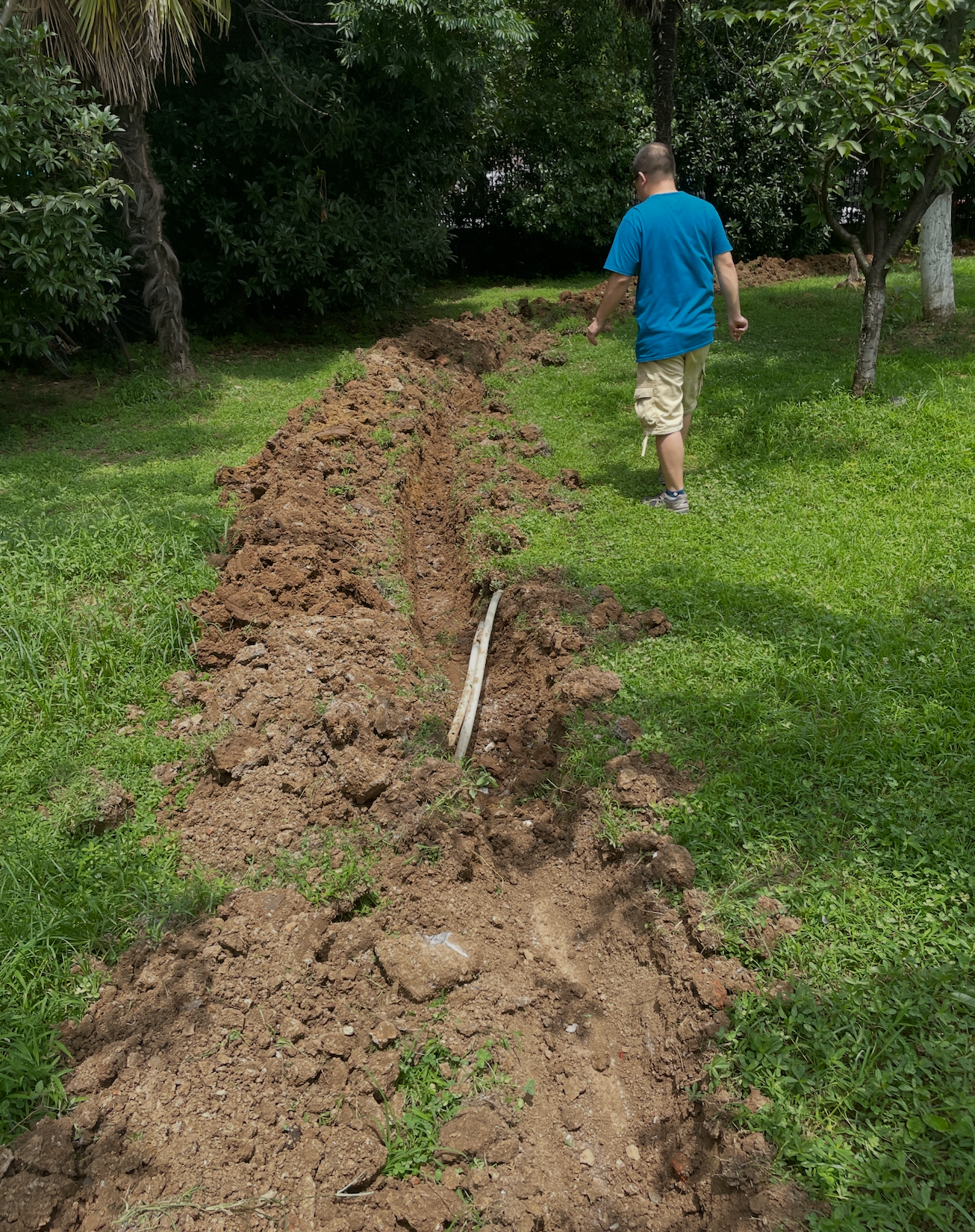
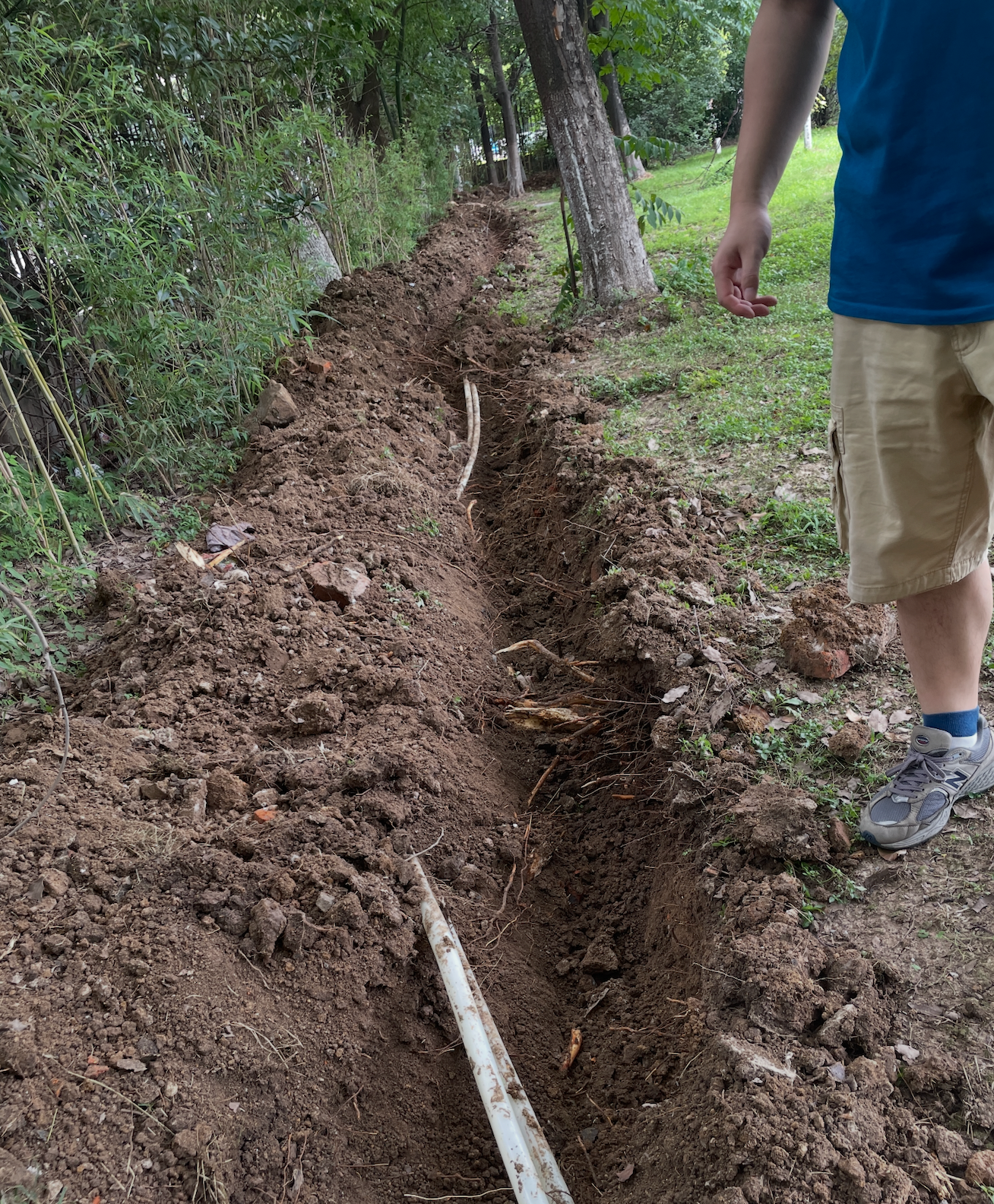
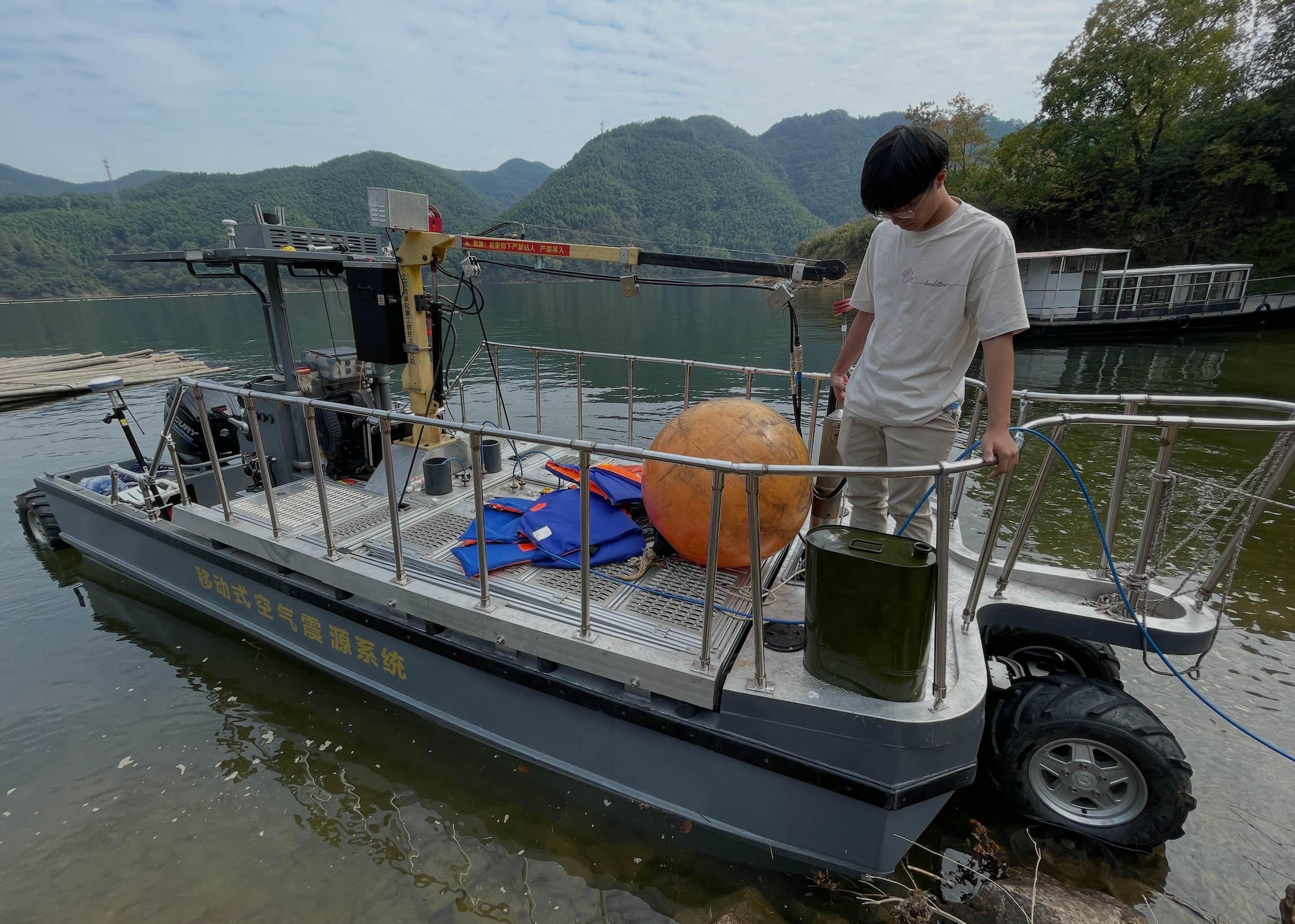
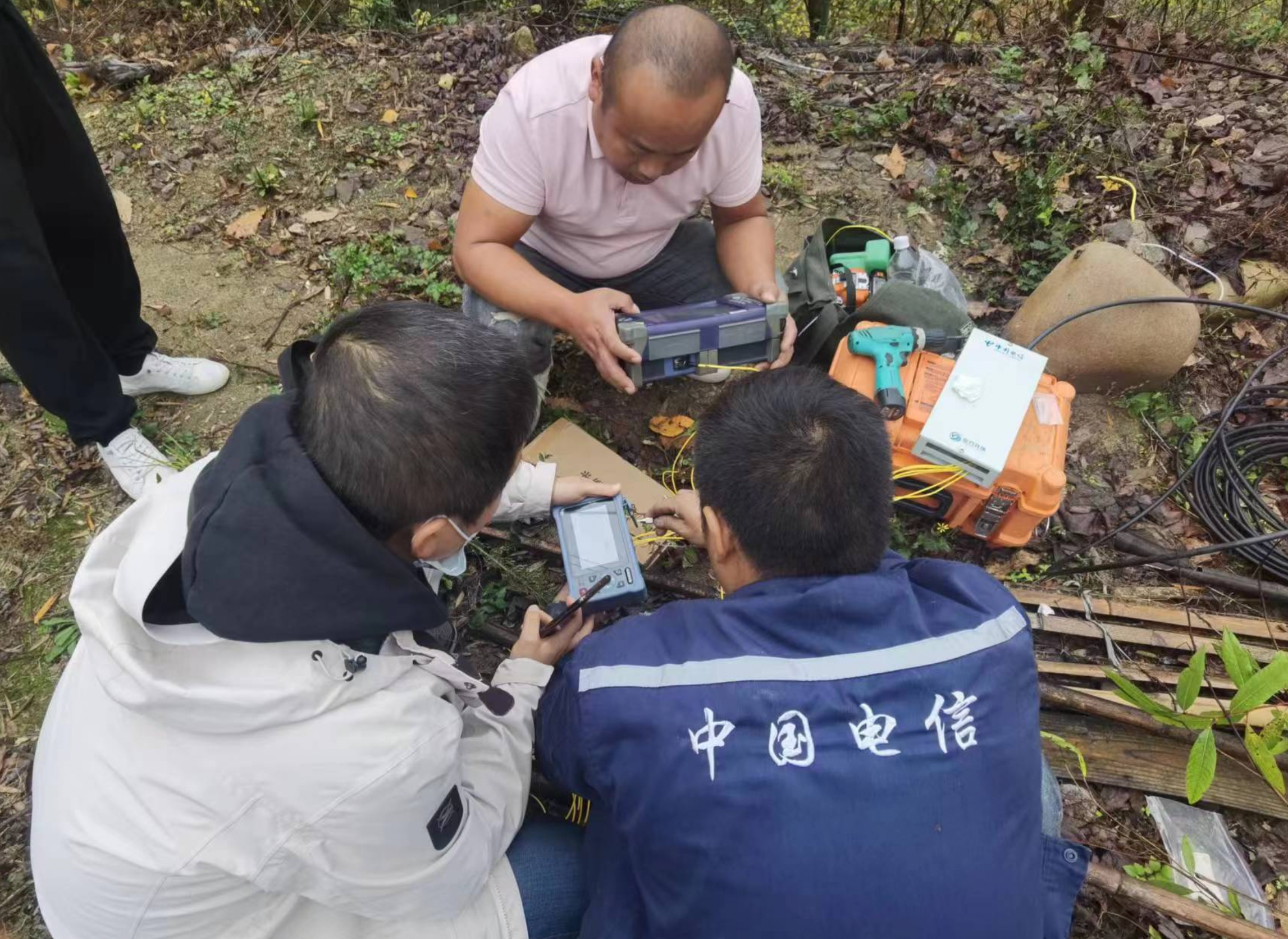
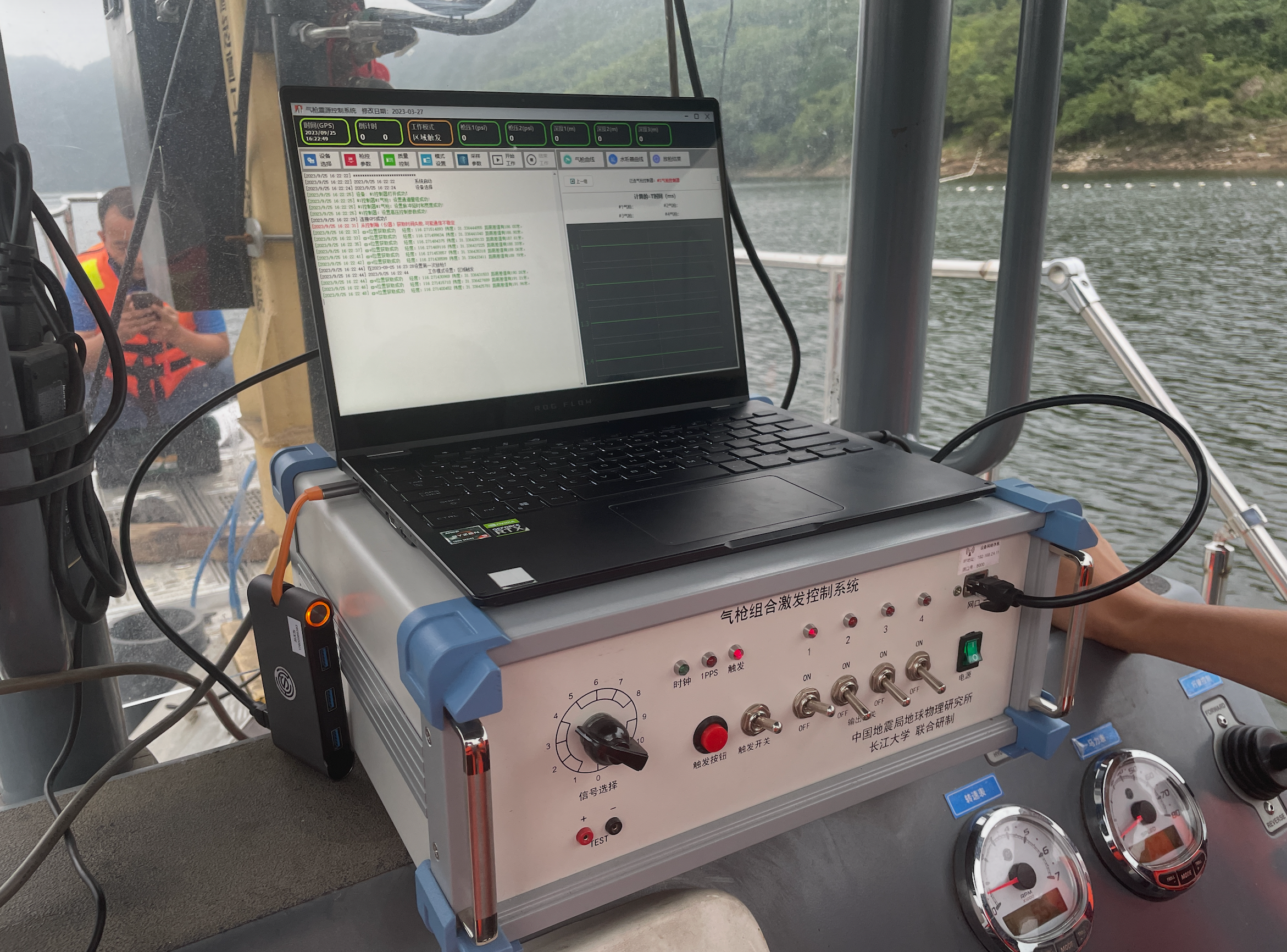
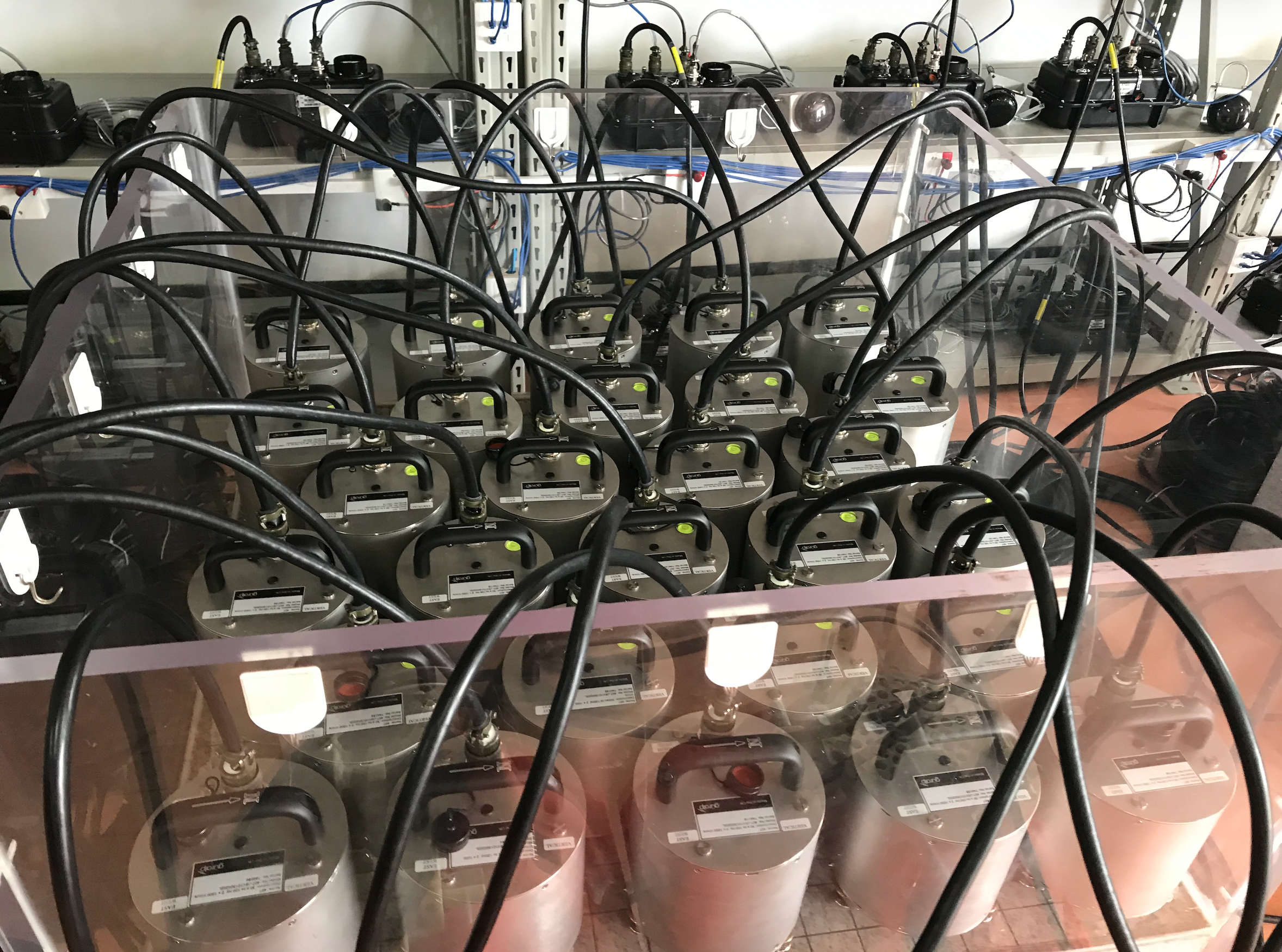
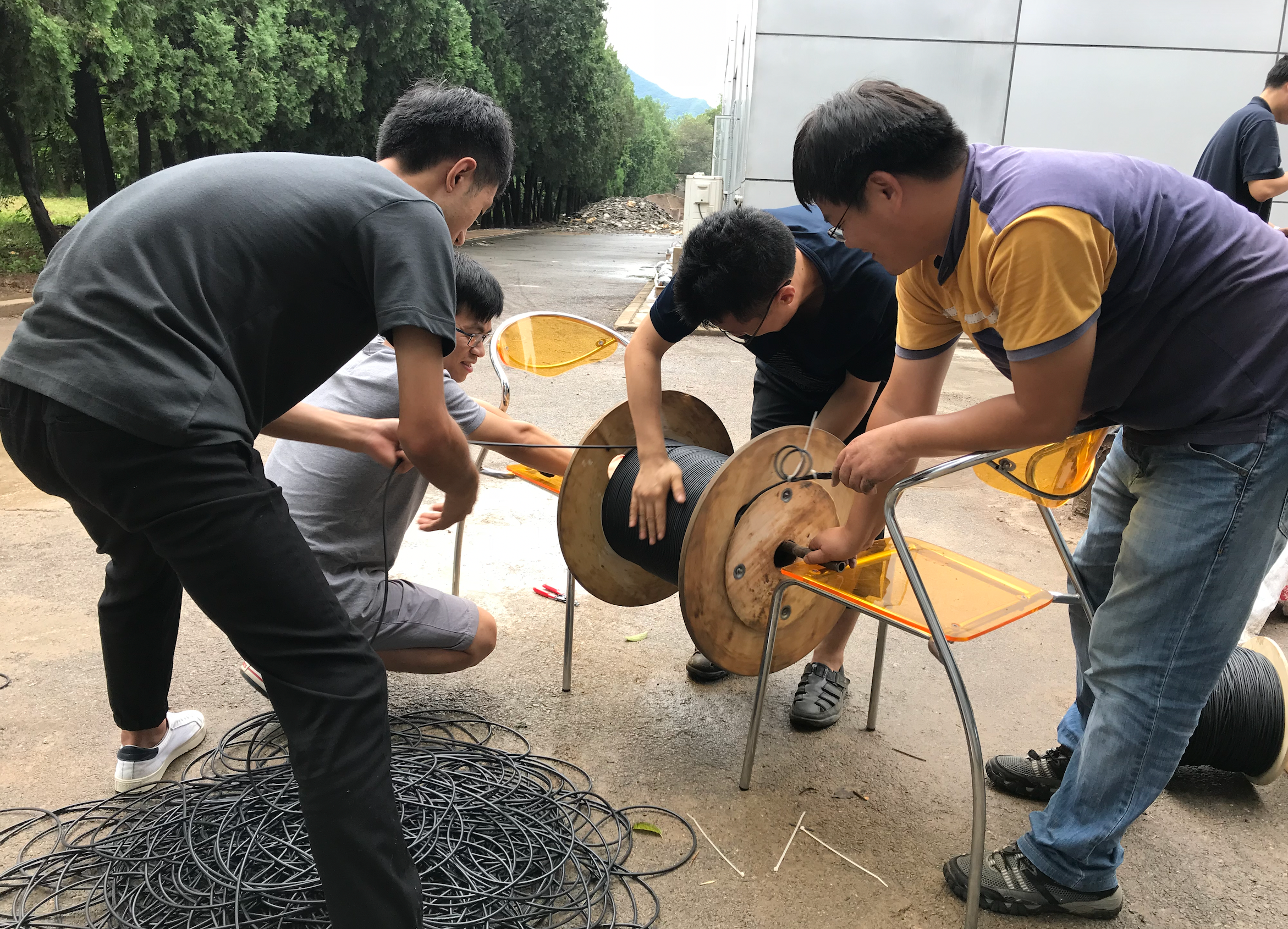
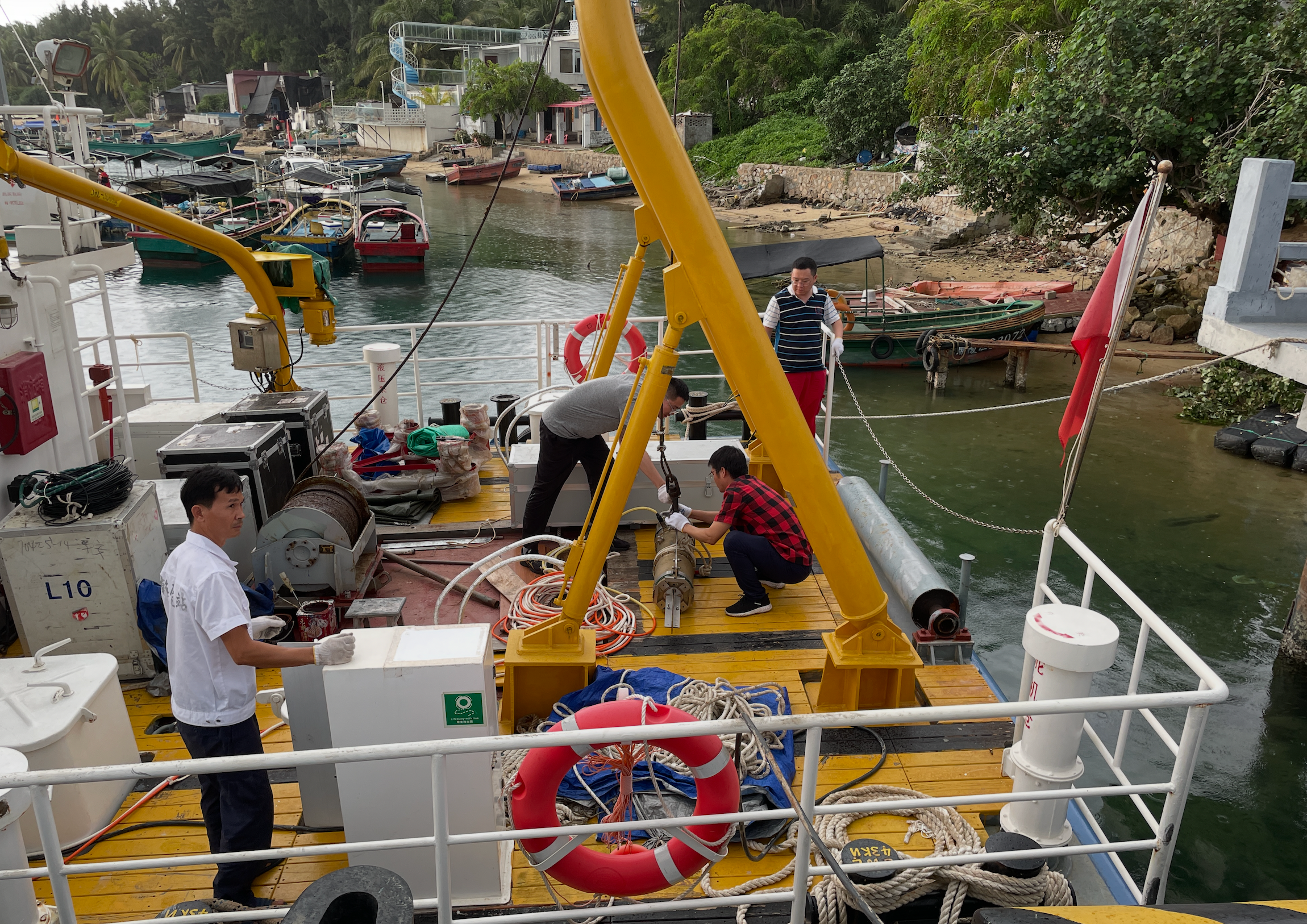
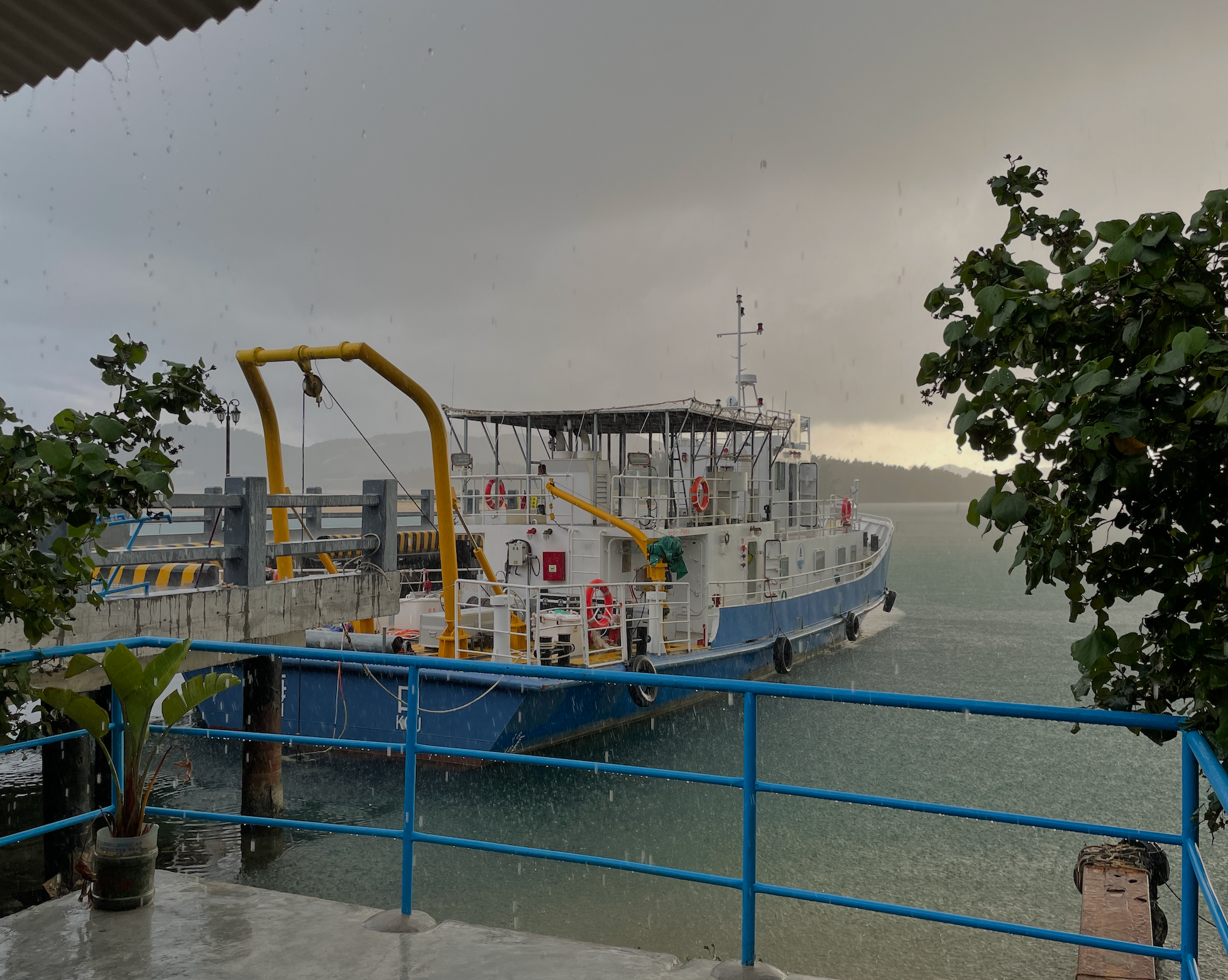
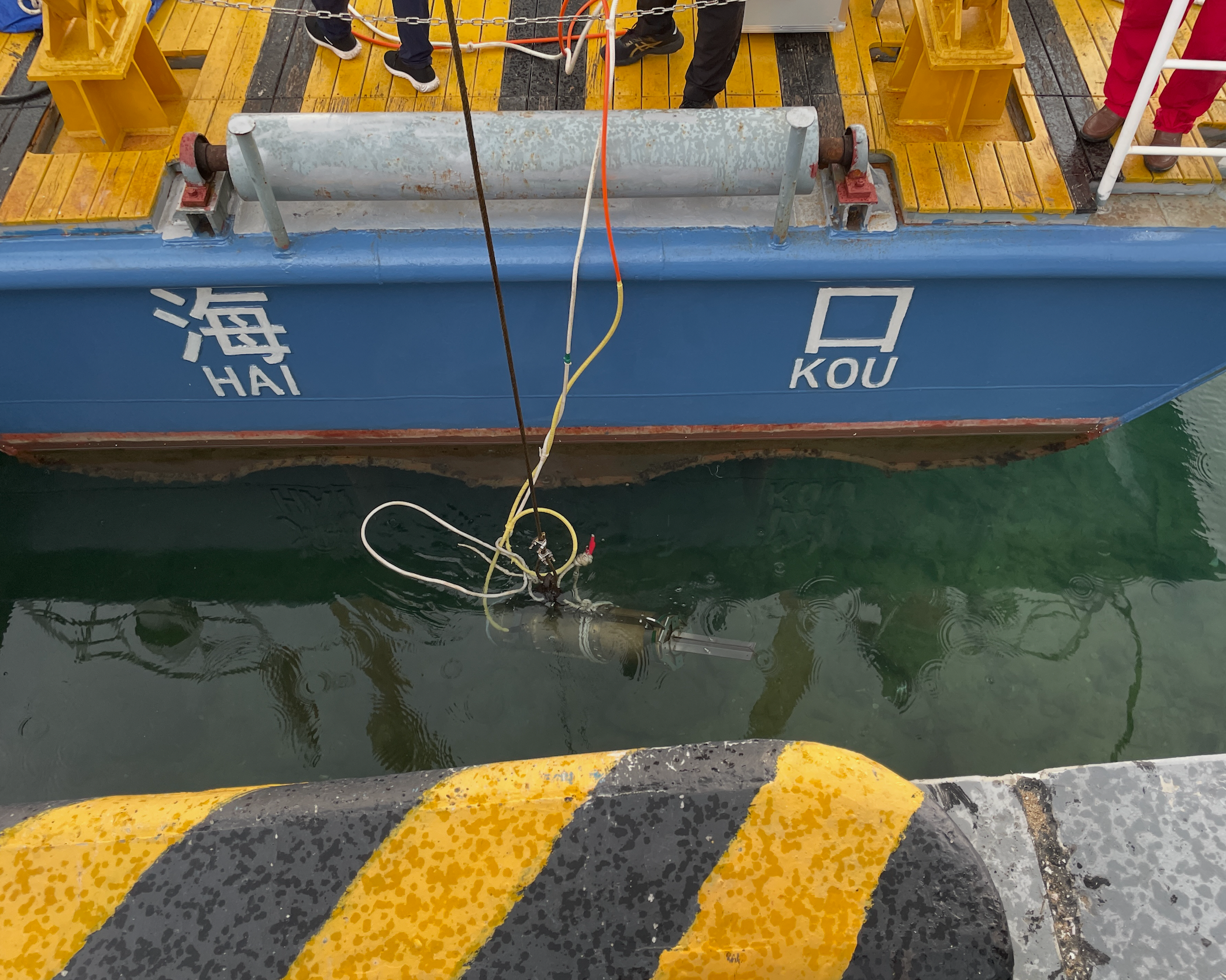
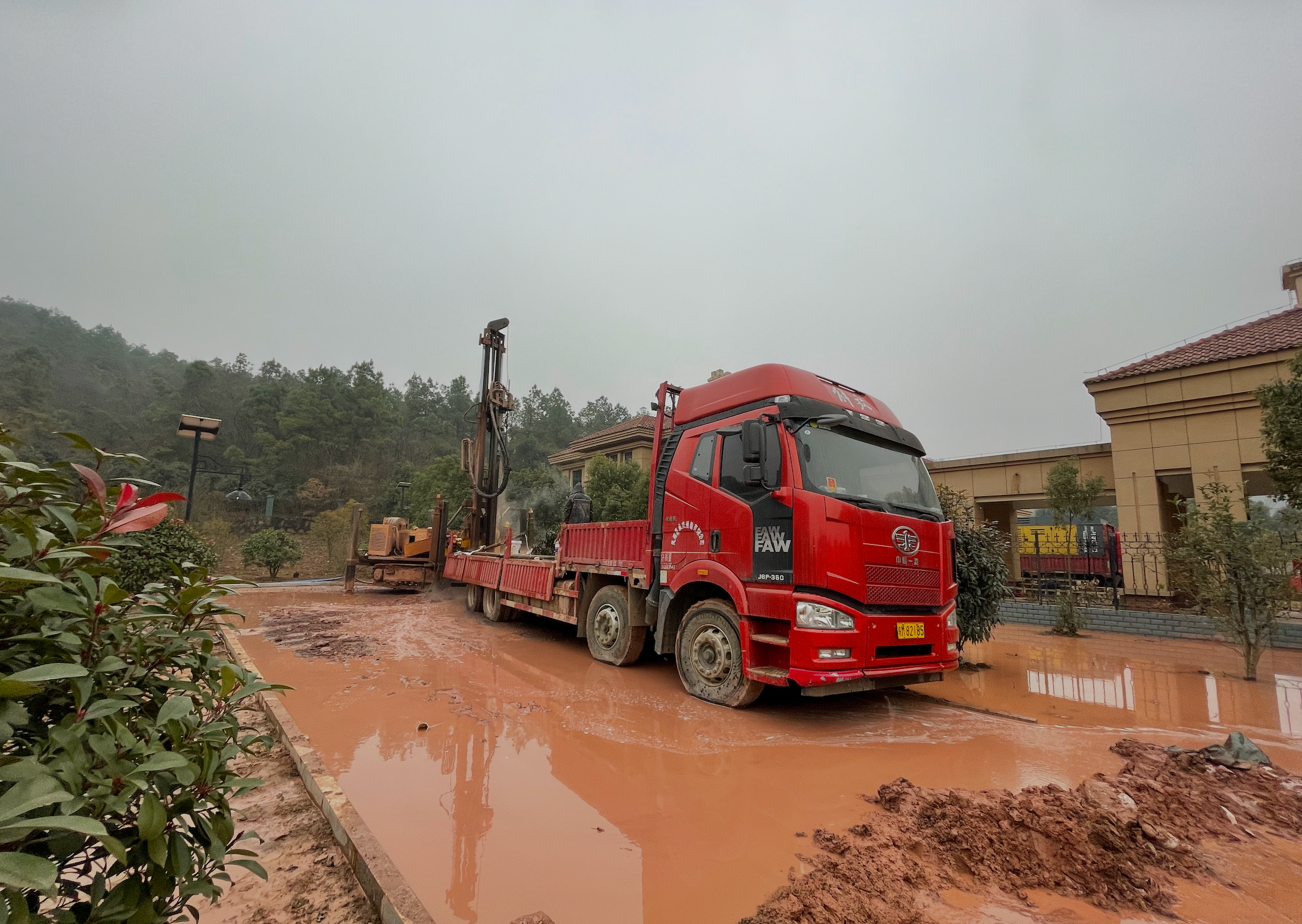
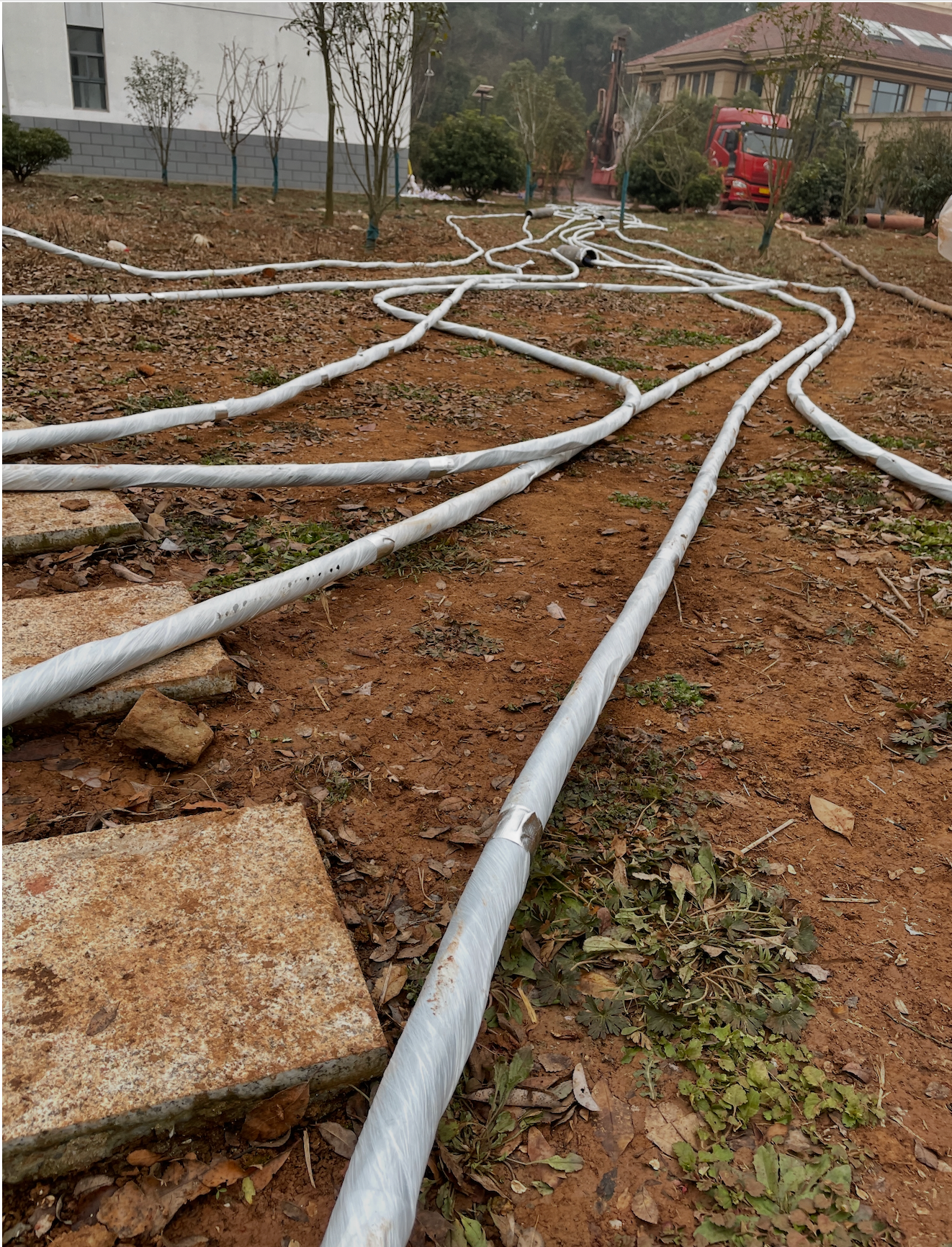
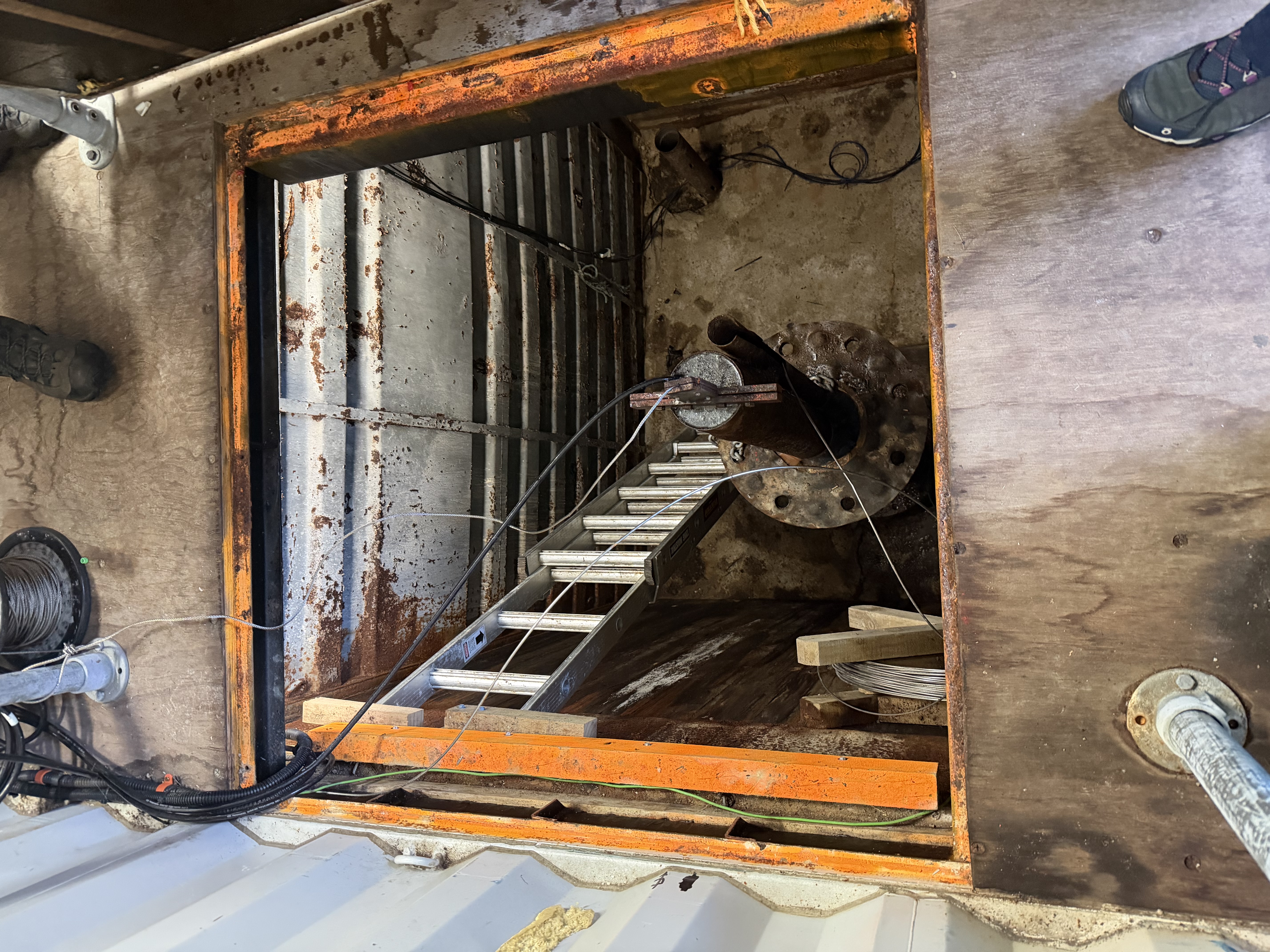
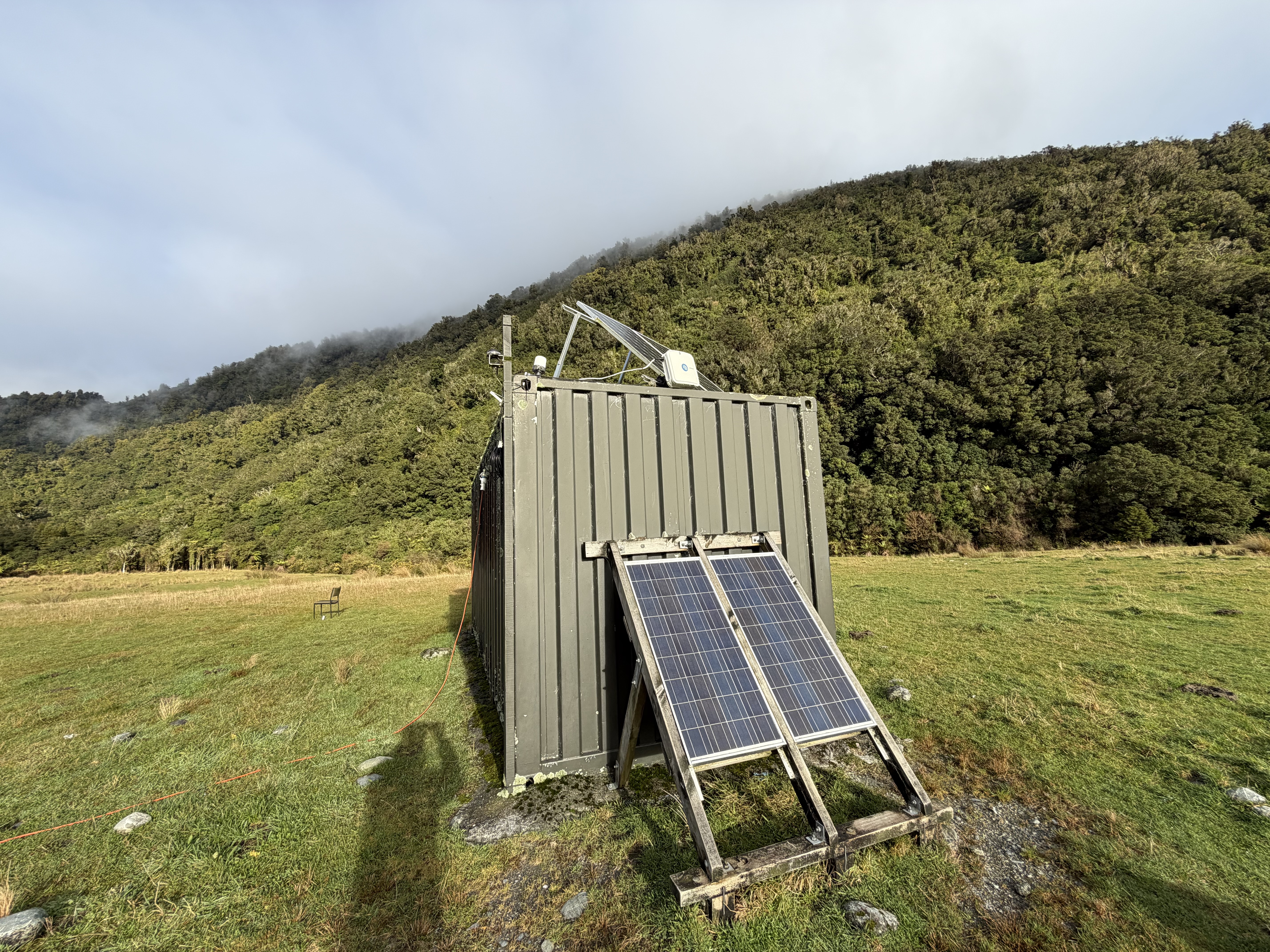
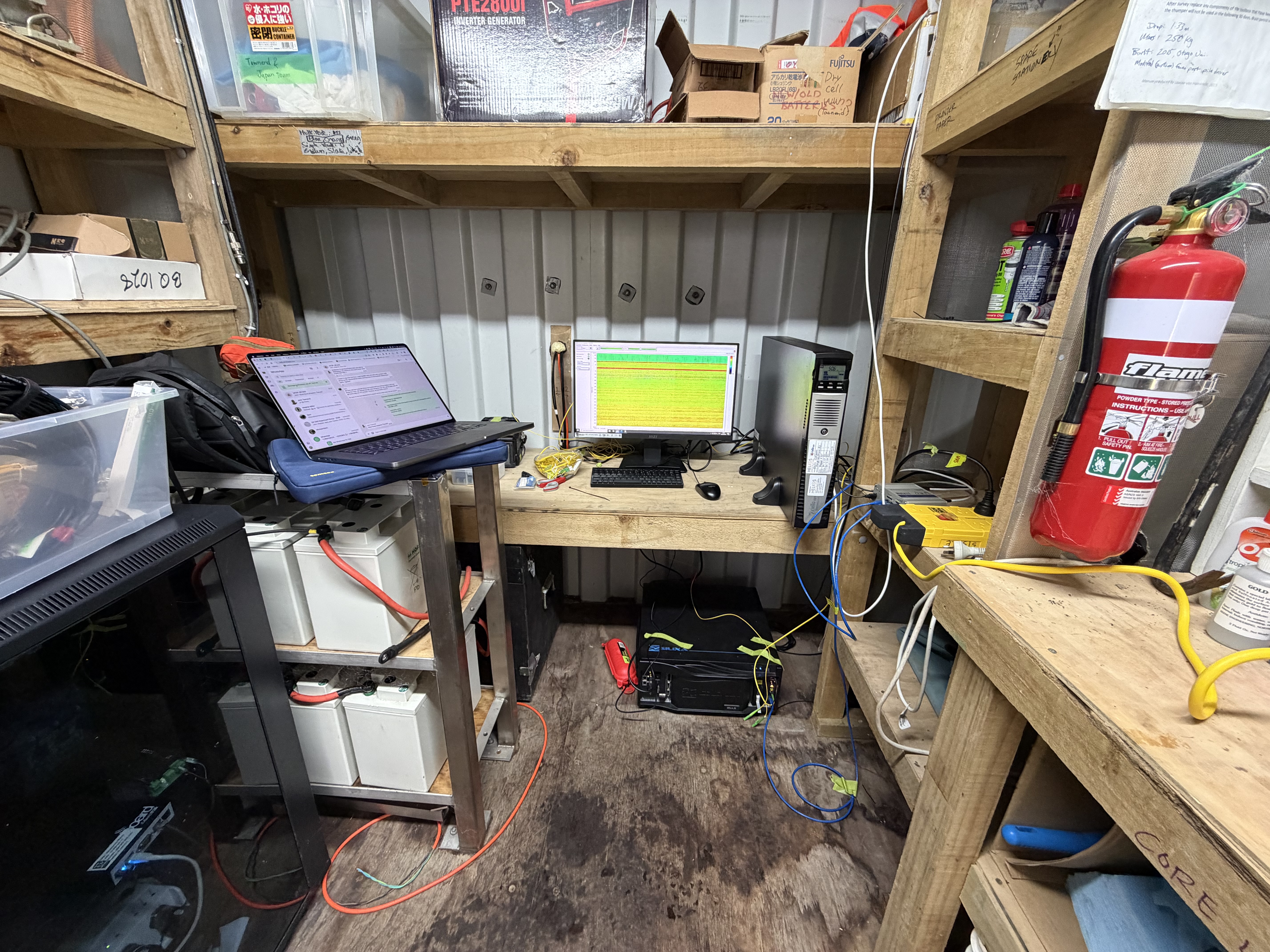
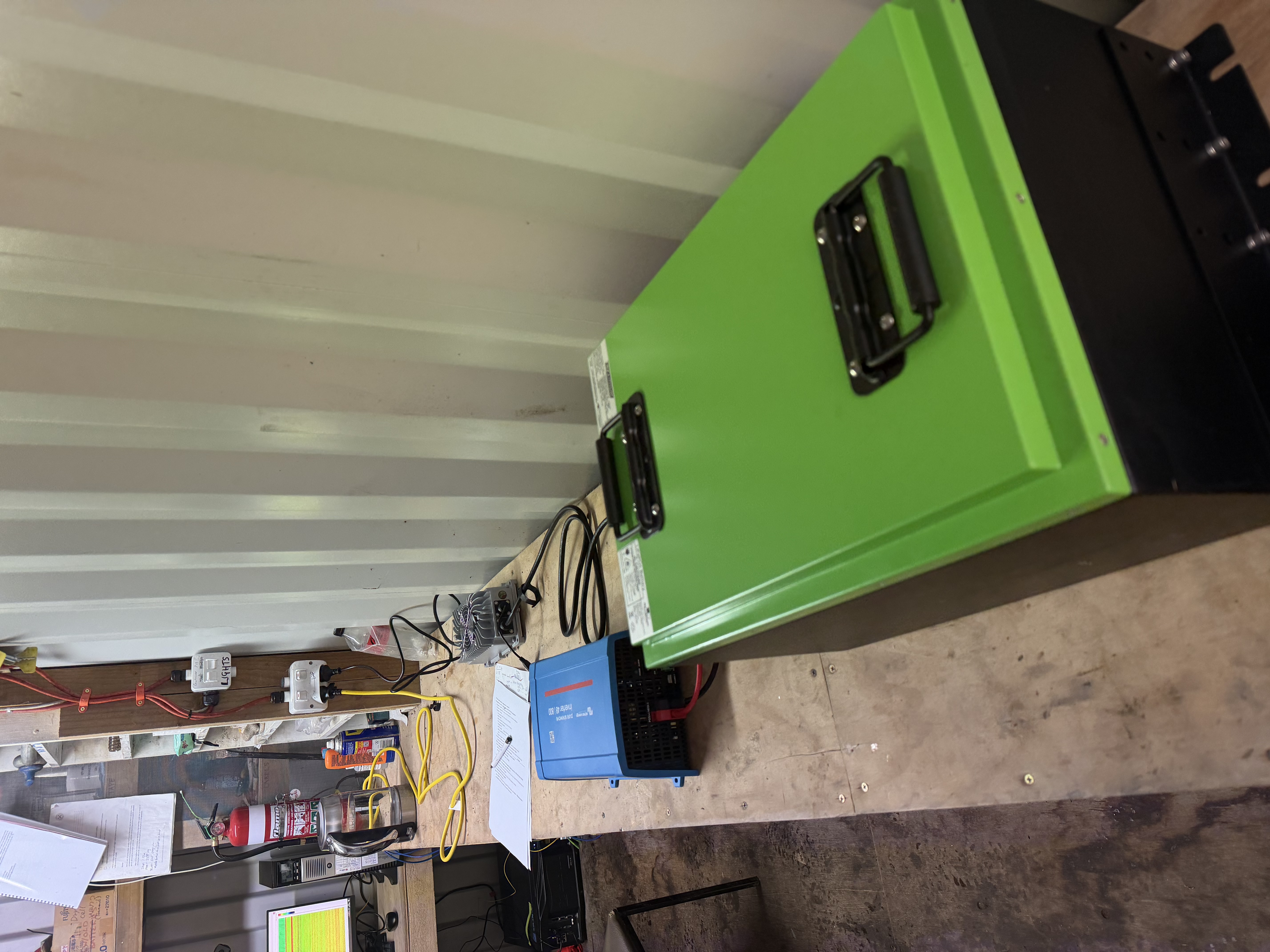
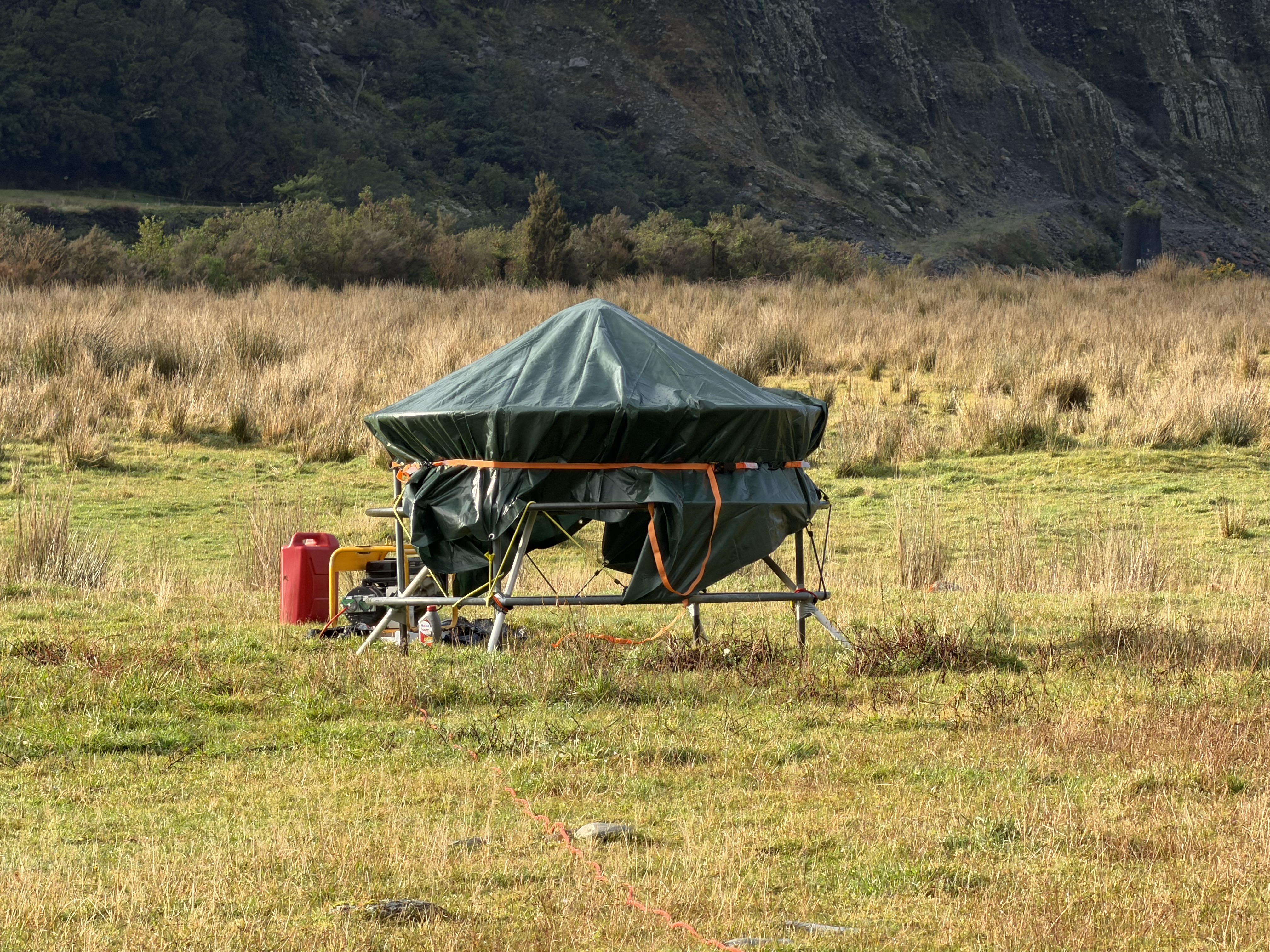
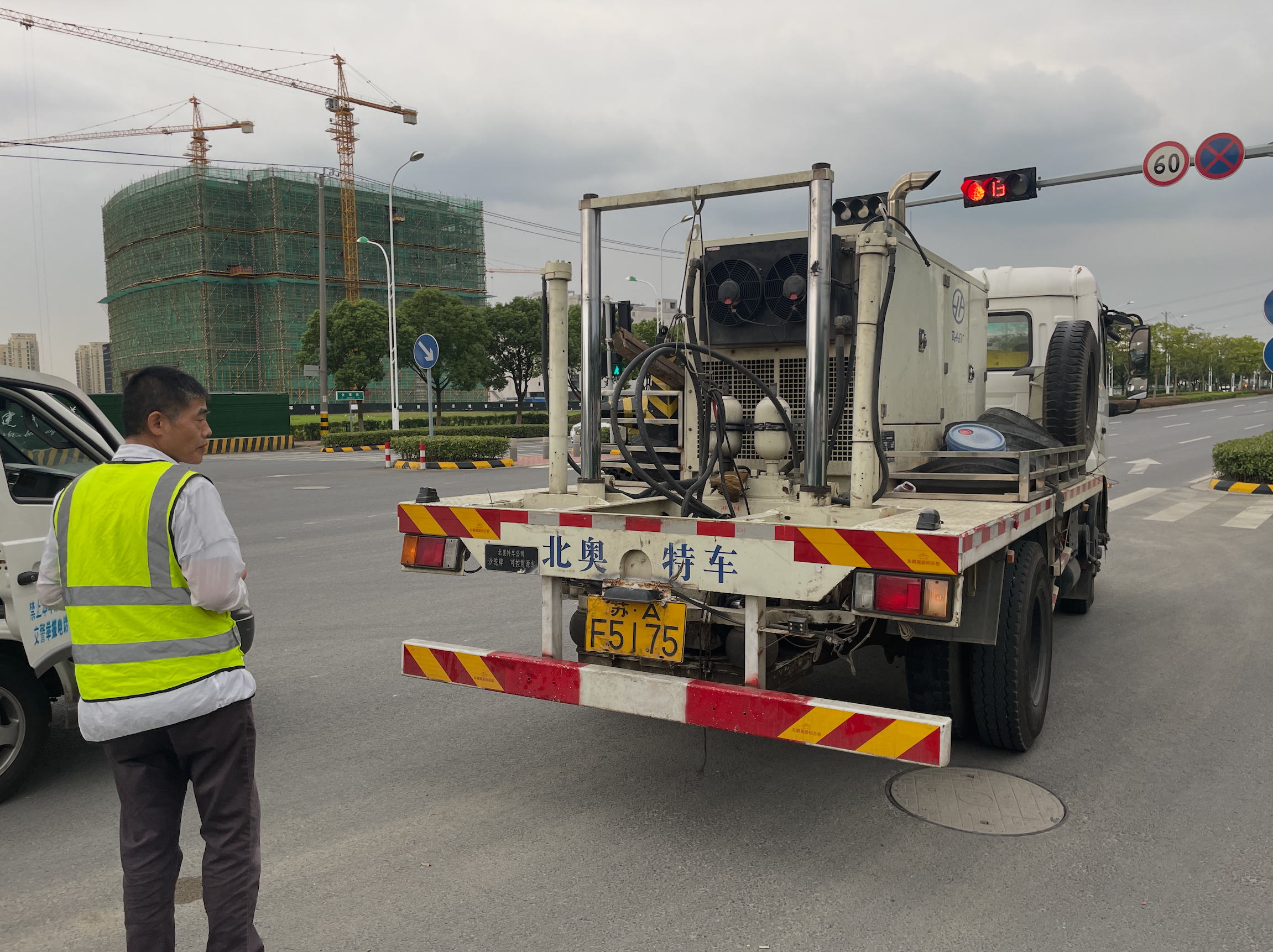
DAS-related field experience across campus fiber, reservoir active-source surveys, urban deployments, offshore experiments, downhole observations, DFDP borehole deployment, and active-source tests.